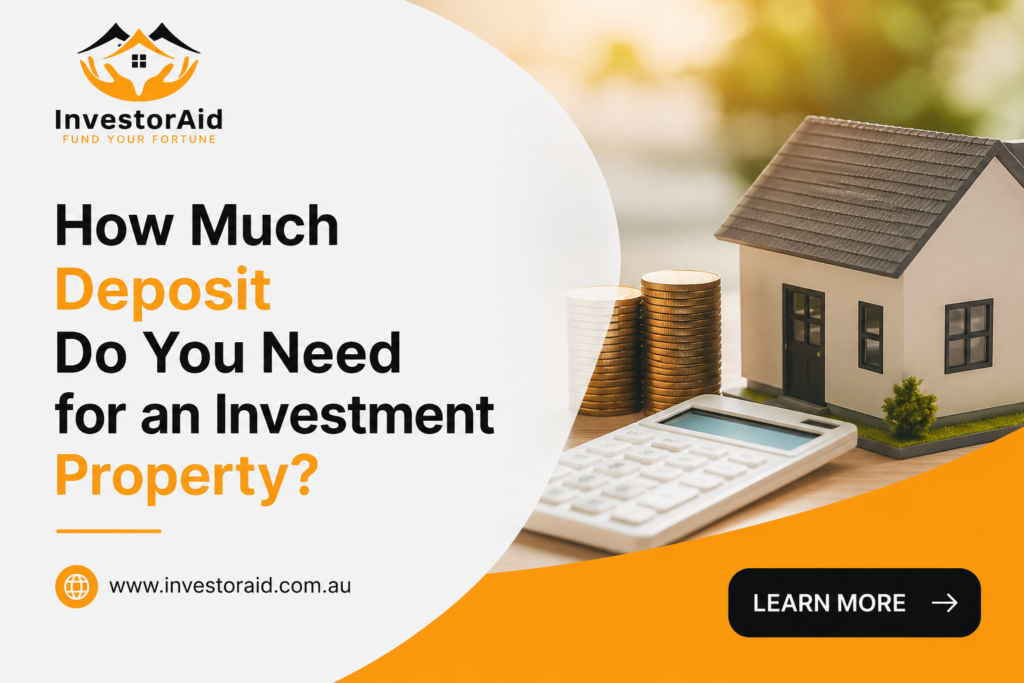
Most Australian lenders usually require a deposit between 10 percent and 20 percent for an investment property. Borrowers with smaller deposits may also need to pay Lenders Mortgage Insurance (LMI) — an extra cost that protects the lender if the borrower cannot repay the loan.
A 20 percent deposit is often preferred because it may help investors avoid extra loan-related costs and achieve a better loan-to-value ratio (LVR). However, some lenders may still accept lower deposits depending on your financial situation and borrowing capacity.
The exact amount you need can depend on your income, credit history, property value, lender requirements, and existing debts.
Understanding how much deposit for first investment property in Australia is one of the first steps for beginner investors who want to enter the property market with confidence. If you are just starting out, our guide on how to invest in property in Australia is a helpful place to begin.
Quick Deposit Breakdown
| Property Price | 5% Deposit | 10% Deposit | 20% Deposit |
|---|---|---|---|
| $500,000 | $25,000 | $50,000 | $100,000 |
| $650,000 | $32,500 | $65,000 | $130,000 |
| $800,000 | $40,000 | $80,000 | $160,000 |
Lower deposits may still be possible, but additional costs such as Lenders Mortgage Insurance may apply.
What Deposit Do You Need for an Investment Property?
Most lenders in Australia prefer investors to have a deposit of at least 10 percent to 20 percent of the property value. A larger deposit often gives investors better borrowing options and may reduce loan-related costs.
For people researching the minimum deposit for investment property, the most common benchmark is 20 percent. This is because borrowers with a smaller deposit — meaning a higher LVR — may need to pay Lenders Mortgage Insurance.
| Deposit Size | What It Usually Means |
|---|---|
| 20 percent | Usually avoids Lenders Mortgage Insurance |
| 10 percent | Common option but LMI may apply |
| 5 percent | Limited lender options and stricter conditions |
Understanding how much deposit for first investment property in Australia can help beginners prepare more realistically before applying for finance.
Why Many Investors Aim for a 20 Percent Deposit
Many investors aim for a 20 percent deposit because it can reduce financial pressure over time and improve long-term capital growth potential by keeping loan repayments manageable.

A larger deposit may help with lower loan amounts, reduced interest costs, better loan options, avoiding LMI, and improved borrowing confidence.
For example, if an investor buys a $650,000 property, a 20 percent deposit would usually be $130,000. While saving this amount can take time, many investors see it as part of a long-term wealth creation strategy and property investment roadmap rather than a short-term goal.
Investors who think ahead about portfolio growth also recognise that a stronger deposit position today makes it easier to leverage equity when buying a second or third property. You can read more about this in our guide on how to build a property portfolio in Australia.
Can I Buy an Investment Property With No Deposit?
Many people ask: can I buy an investment property with no deposit?
In some situations, it may be possible. Some investors use equity from an existing property instead of cash savings. Others may use guarantor support from family members. However, buying with no deposit increases financial risk, and lenders usually have stricter approval requirements for these situations.
Most beginner investors still benefit from building savings before buying property.
Can I Buy an Investment Property With 5% Deposit?
Some lenders may allow borrowers to buy property with a smaller deposit. While a 5 percent deposit may be achievable, there are usually extra costs involved. Borrowers may need to pay LMI and meet stricter lending conditions. Smaller deposits can also lead to larger loan repayments over time, which affects cash flow and rental yield calculations.
What Other Costs Should You Prepare For?
The deposit is only one part of the total cost of buying an investment property. Many first-time investors forget about additional upfront expenses.
| Extra Cost | What It Covers |
|---|---|
| Stamp Duty | Government property tax |
| Legal Fees | Conveyancing and contracts |
| Building Inspection | Property condition checks |
| Loan Fees | Mortgage setup costs |
| Insurance | Protection for the property |
Understanding these costs early — including conveyancing fees, pest and building inspections, and council rates — can make the investment property buying process less stressful. Budgeting properly is very important for long-term investing success.
What Factors Affect How Much Deposit You Need?
The amount of deposit you need can vary from one investor to another. Lenders usually look at several financial factors before approving a loan, including income level, existing debts, credit history, employment stability, savings history, and property type.
For people researching investment property loan requirements, lenders want to see that borrowers can manage repayments comfortably. Your home loan eligibility may also improve if you have stable income and strong financial habits. Some lenders also assess whether a property has strong rental yield prospects when evaluating investment lending applications.
| Factor | Why It Matters |
|---|---|
| Income | Affects borrowing capacity |
| Credit History | Impacts lender confidence |
| Existing Loans | Influences repayment ability |
| Property Type | Some properties carry more risk |
| Savings History | Shows financial discipline |
Understanding why location matters in Australian real estate investing can also influence which properties lenders view more favourably for investment lending.
How to Prepare for Your First Investment Property
Buying an investment property can feel overwhelming at first, especially for beginners. Learning how to buy your first investment property starts with preparation and research.
Key steps include building consistent savings, understanding your borrowing capacity, researching property locations, comparing lenders carefully, preparing for extra costs, and planning for long-term repayments.
Many investors create a simple buying first investment property checklist before starting their property search. If you want a step-by-step framework, our article on how to start in real estate investing outlines five essential steps for beginners.
A strong financial foundation can also support better negative gearing and capital growth outcomes over time.
Understanding Mortgage Pre Approval and Loan Eligibility
Before seriously searching for property, many investors apply for mortgage pre-approval. Pre-approval gives borrowers an estimate of how much they may be able to borrow and helps investors plan their budget more clearly.
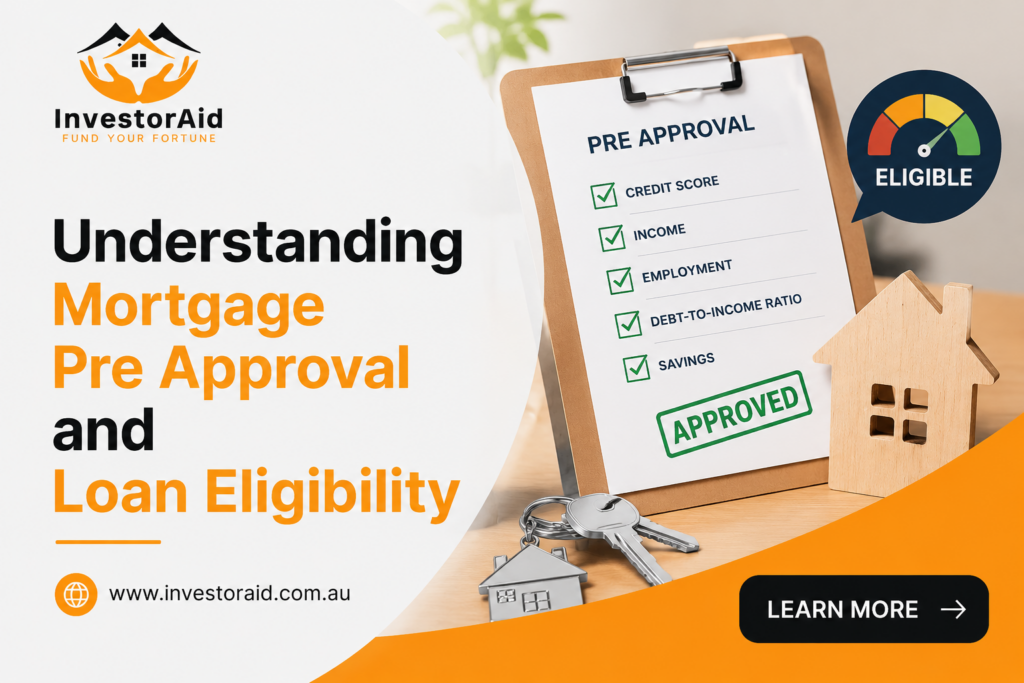
The mortgage application process usually involves income checks, credit checks, bank statements, and employment verification. Lenders also assess whether applicants meet home loan eligibility requirements.
Choosing the right investor home loan — whether fixed rate, variable rate, or interest-only — can also make a significant difference to long-term affordability and flexibility.
Common Mistakes First Time Investors Make
Many first-time investors make mistakes because they rush into the process without enough preparation. One common mistake is underestimating the true cost of buying property.
Others focus only on the deposit and forget about ongoing expenses such as property management fees, maintenance, insurance, and loan repayments. Some investors also fail to consider how interest rate changes can affect their cash flow over time.
| Common Mistake | Why It Can Cause Problems |
|---|---|
| Ignoring hidden costs | Creates financial pressure |
| Buying emotionally | Can reduce long-term returns |
| Skipping research | Increases investment risk |
| Over borrowing | Makes repayments harder |
Taking time to research carefully including understanding how capital growth and cash flow work together in a real estate portfolio — can help investors make more confident decisions.
Do You Need Professional Help When Buying an Investment Property?
Many beginner investors choose to work with professionals because property investing can feel complicated at first. Support from experienced professionals may help with property research, market analysis, loan guidance, budget planning, and investment strategy.
Working with a buyers agent for investment property can give you access to expert guidance and negotiation support throughout the purchasing process.
Some investors also explore off-market investment opportunities to find properties with less competition. Others prefer working with professionals who offer a full buyers agency service in Australia to guide the process from research to settlement.
Getting a free property investment consultation may also help beginners understand their options before making financial decisions.
Final Thoughts
Understanding how much deposit for first investment property in Australia is an important first step for beginner investors. While many lenders prefer a 20 percent deposit, smaller deposits may still be possible depending on your financial situation and lender requirements.
The most important thing is having a clear plan, understanding the full costs involved, including stamp duty, conveyancing, and LMI , and building a sustainable long-term wealth strategy over time. For investors thinking beyond their first purchase, our guide on how to build a property portfolio in Australia explores the next steps.
If you are planning your first investment property purchase, InvestorAid can help you understand your options, explore suitable investment opportunities, and build a strategy with confidence. Book a free consultation today or learn more about our services.
Frequently Asked Questions
How much deposit do I need for an investment property in Australia?
Most lenders in Australia usually require a deposit between 10 percent and 20 percent of the property value.
Is 20 percent the best deposit amount?
A 20 percent deposit is often preferred because it may help borrowers avoid Lenders Mortgage Insurance and achieve a more favourable loan-to-value ratio. This is important when understanding how much deposit for first investment property in Australia.
Can I buy an investment property with a 10 percent deposit?
Yes, some lenders may accept a 10 percent deposit, but borrowers may need to pay Lenders Mortgage Insurance.
Can I buy an investment property with a 5 percent deposit?
Some lenders may allow smaller deposits, but approval conditions are usually stricter. Borrowers should also prepare for extra loan costs and a higher LVR.
What is Lenders Mortgage Insurance?
Lenders Mortgage Insurance is an extra fee that protects the lender if the borrower cannot repay the loan. It is typically required when the deposit is below 20 percent.
Can I buy an investment property with no deposit?
In some situations, investors may use equity from another property or guarantor support instead of cash savings. This approach carries higher financial risk and lender scrutiny.
What other costs should I prepare for besides the deposit?
Investors should also budget for stamp duty, legal fees, building and pest inspections, insurance, and loan-related costs.
What affects my home loan eligibility?
Lenders usually review income, credit history, existing debts, and savings before approving loans. Strong home loan eligibility can improve borrowing options.
What is mortgage pre-approval?
Mortgage pre-approval is an estimate from a lender showing how much money a borrower may be able to borrow before purchasing property.
What should beginners do before buying an investment property?
Beginners should review their finances, compare lenders, understand the mortgage application process, and create a clear investment plan. Our guide on how to start in real estate investing is a good starting point.

Rohit Gehlot is a Property Investment Strategist and Buyers Agent at InvestorAid, with over 8 years of experience in the Australian property market.
He helps investors secure high-potential properties across Australia through data-driven research, market analysis, negotiation, and long-term investment strategies.